The Evolution of Packaging Equipment Manufacturers
Packaging has transformed significantly from its early origins to the sophisticated systems we utilize today. The evolution of packaging equipment manufacturers reflects technological advancements, shifting consumer preferences, and increasing demands for efficiency and sustainability. As global commerce expands, the need for reliable and innovative packaging equipment manufacturer solutions becomes more critical. Companies cannot afford to overlook the importance of investing in modern packaging technology to remain competitive in today's market.
Historical Overview of Packaging Equipment
The history of packaging equipment dates back thousands of years, with early methods focusing on preserving food and protecting goods. From simple woven baskets to the invention of glass bottles and metal tins, packaging has continuously evolved. In the mid-20th century, the advent of automation revolutionized the packaging industry. Machines began to perform tasks previously done by hand, improving production speed and consistency.
As industries grew, so did the need for specialized equipment that could handle diverse materials and products. The late 20th century saw a surge in the use of plastics, leading manufacturers to develop equipment capable of processing these new materials. This historical progression illustrates how packaging equipment has adapted to not only meet industry demands but also to innovate and push boundaries.
Current Market Dynamics and Trends
Today, the packaging equipment industry is characterized by rapid advancements in technology. With an increase in e-commerce and global supply chains, manufacturers are focusing on automation and smart technology. Industries are demanding flexible and scalable solutions that can cater to a variety of product sizes and packaging formats.
The rise of consumer awareness about sustainability has also impacted market dynamics. Packaging manufacturers are challenged to create eco-friendly solutions while ensuring product integrity and shelf life. As a result, there is a growing trend towards materials such as biodegradable plastics and recyclable packaging materials.
Impact of Technology on Manufacturing Processes
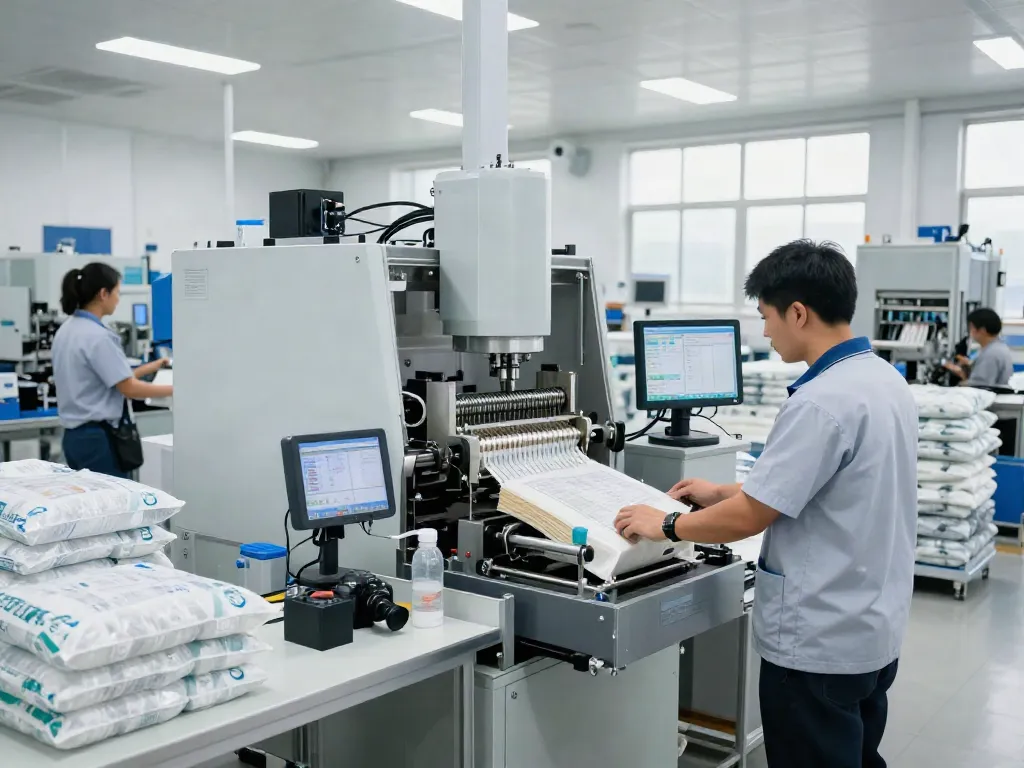
Modern technology has dramatically changed how packaging equipment manufacturers operate. Automation plays a crucial role in enhancing productivity and reducing labor costs. For instance, robots are increasingly utilized for tasks such as palletizing and unpacking, which were traditionally labor-intensive. This not only speeds up the process but also mitigates the risk of workplace injuries.
Moreover, the integration of IoT (Internet of Things) in packaging machinery allows for real-time monitoring and data analytics. This provides manufacturers with valuable insights into production efficiency, machine performance, and maintenance needs. As technology continues to advance, the packaging industry will further leverage data to optimize operations.
Customization in Packaging Solutions
In an era of personalization, customization in packaging solutions has become imperative. Industries are recognizing that tailored equipment can enhance operational efficiency and product appeal, thereby improving overall customer satisfaction.
Importance of Tailored Equipment for Diverse Industries
Different industries have unique packaging needs, influenced by the nature of their products and target markets. Customized packaging solutions enable manufacturers to optimize their processes and meet specific regulatory requirements. For example, the food industry requires equipment that adheres to strict hygiene standards, while pharmaceuticals often demand precision in dosing and tamper-proof packaging.
By investing in custom equipment, businesses can enhance their productivity while addressing consumer expectations. This personalized approach not only increases efficiency but also helps establish a stronger brand identity in a competitive marketplace.
Case Studies of Successful Customization
Numerous case studies highlight the benefits of customized packaging solutions. For instance, a pet food manufacturer sought a solution that could accommodate varying bag sizes and resealable features to cater to consumer preferences. By collaborating with a packaging equipment manufacturer, they developed an innovative bagging machine that improved production rates by 50% while reducing waste.
Another example involves a cosmetic company that required unique packaging to reflect their brand's luxury positioning. They partnered with a packaging manufacturer to create a custom filling machine capable of handling delicate glass bottles. This collaboration not only met their production needs but also enhanced the aesthetic appeal of their products on the shelf.
Steps to Initiate Custom Packaging Projects
Embarking on a custom packaging project necessitates careful planning and collaboration. Here are essential steps to guide manufacturers:
- Assess Requirements: Understand the specific packaging needs, including product dimensions and regulatory considerations.
- Research Options: Explore potential manufacturers known for their expertise in customization.
- Collaborate with Experts: Engage with a technical team to develop prototypes and conduct feasibility studies.
- Feedback and Iteration: Collect feedback from stakeholders and make necessary adjustments to the design.
By following these steps, businesses can successfully implement customized packaging solutions that align with their operational goals and consumer expectations.
Sustainability Practices in Packaging Manufacturing
As global awareness of environmental issues grows, sustainability practices in packaging manufacturing have become a focal point. Companies are increasingly prioritizing eco-friendly solutions to meet consumer demands and regulatory standards.
Eco-Friendly Materials and Processes
The push for sustainability has encouraged packaging equipment manufacturers to innovate with materials and processes. Biodegradable plastics, recycled materials, and sustainable sourcing have become vital in product design. Manufacturers are transitioning from traditional plastic packaging to alternatives that reduce environmental impact without compromising functionality.
Additionally, production processes are being optimized to minimize waste. Techniques such as lean manufacturing focus on efficiency, reducing excess materials and energy consumption. This commitment to sustainability not only enhances brand reputation but also appeals to environmentally conscious consumers.
Regulatory Compliance and Sustainability Standards
With increasing regulations surrounding packaging waste, manufacturers must stay informed about compliance standards. Packaging equipment manufacturers should ensure that the materials used in their products meet local and international sustainability guidelines. This includes familiarity with regulations such as the EU’s Packaging Waste Directive and the FDA’s guidelines for food packaging.
Maintaining compliance not only protects the environment but also safeguards businesses from potential legal repercussions, preserving their market position.
Future Outlook on Sustainable Packaging Solutions
Looking ahead, sustainability will play a pivotal role in shaping the future of packaging equipment manufacturing. The industry is expected to see a rise in innovations such as smart packaging that can monitor product quality and freshness, thus reducing waste.
Moreover, as new materials continue to emerge, adaptability will be key for manufacturers. Building partnerships with suppliers of sustainable materials can lead to breakthroughs in product development and marketability. Embracing sustainability will ultimately bolster long-term growth in the packaging sector.
Innovations Transforming Packaging Efficiency
Innovation is at the heart of enhancing packaging efficiency. The integration of advanced technologies not only streamlines production but also reduces costs, positioning manufacturers to stay competitive in a rapidly evolving industry.
Introduction to Smart Packaging Technologies
Smart packaging technologies encompass a range of innovations, from RFID tags for inventory management to sensors that monitor product conditions during transportation. These technologies enable manufacturers to gain insights into supply chain dynamics, enhancing logistical efficiency.
Moreover, smart packaging can improve user experience by providing consumers with information about product freshness, reusability, and recycling instructions. This level of transparency fosters trust and enhances brand loyalty.
Automation and Robotics in Manufacturing
Automation through robotics is revolutionizing the packaging landscape. Automated systems can perform repetitive tasks with high precision and speed, significantly reducing the time required for production. This efficiency is especially beneficial in high-volume manufacturing scenarios.
Furthermore, robots equipped with AI can adapt to variations in product types and dimensions, making them a cost-effective solution for manufacturers aiming for flexibility in their production lines. They also minimize human error, resulting in greater consistency and quality assurance.
Real-World Impact on Productivity and Cost Reduction
The impact of innovation on productivity and cost reduction is evident in various case studies. Companies that have adopted automated systems report increases in production rates and reductions in labor costs. For example, a beverage manufacturer implemented an automated bottling line that doubled their output compared to manual processes, leading to significant savings and higher market responsiveness.
Overall, embracing innovation is essential for manufacturers striving to enhance their operational effectiveness while simultaneously addressing consumer demands for speed and quality.
Future Trends in Packaging Equipment Manufacturing
As we move towards 2026, several trends are anticipated to shape the packaging equipment manufacturing landscape. Understanding these trends can guide businesses in their strategic planning and operational decisions.
Predictions for 2026 and Beyond
The continued evolution of packaging technology is expected to focus on sustainability, automation, and consumer-centric designs. The market will likely see a surge in demand for packaging solutions that are not only functional but also environmentally friendly. Manufacturers that invest in sustainable practices and technologies will enjoy a competitive advantage.
Additionally, as consumer preferences shift towards personalized experiences, equipment capable of producing customized packaging solutions will become increasingly valuable. This will enable companies to respond swiftly to changing market demands.
Adapting to Changing Consumer Preferences
Consumer preferences are evolving rapidly, driven by trends in health consciousness, convenience, and environmental sustainability. Packaging equipment manufacturers must remain agile, adapting their technologies to meet these changing needs. This includes offering solutions for smaller batch sizes and diversification in packaging formats.
For example, the rise of meal kit delivery services has prompted a need for packaging that maintains food freshness while being easy to open and reseal. Addressing these preferences through innovation will be integral to staying relevant in the marketplace.
Preparing for Technological Disruptions in the Industry
Technological disruptions are inevitable in any industry, and packaging equipment manufacturing is no exception. Companies must stay abreast of advancements in AI, machine learning, and robotics to integrate these technologies into their operations.
Additionally, businesses should prepare for potential disruptions in supply chains. Building diversified partnerships and contingency plans will mitigate risks associated with market fluctuations. Proactive adaptation to technological changes will enable manufacturers to not only survive but thrive in the future landscape of the packaging industry.