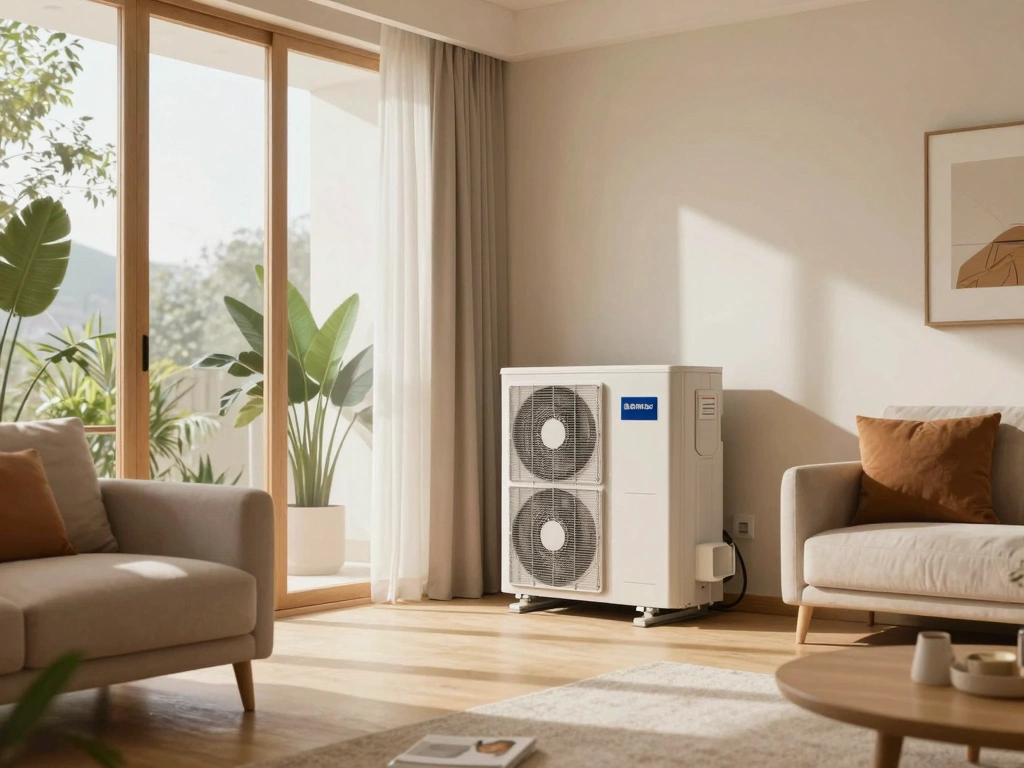
Understanding Mini Split AC Systems
As homeowners increasingly seek efficient and effective ways to cool their spaces, mini split ac systems have gained popularity. But what exactly are mini split air conditioners, and how do they differ from traditional cooling methods? This article aims to demystify mini split AC systems, highlighting their benefits, components, and the fundamental principles behind their operation.
What is a mini split AC and how does it work?
A mini split AC, often referred to as a ductless air conditioning system, consists of two main components: an outdoor condenser and one or more indoor air handling units. These systems operate on the principle of transferring heat. In cooling mode, the indoor unit absorbs heat from the room and transfers it to the outdoor unit, where it is expelled into the outside air. This process not only cools the indoor environment but also allows for precise temperature control in individual rooms, making it an ideal solution for homes with diverse heating and cooling needs.
Benefits of mini split AC systems over traditional units
Mini split AC systems offer numerous advantages over traditional window and central air conditioning systems:
- Energy Efficiency: Mini splits are known for their high energy efficiency, often rated with SEER (Seasonal Energy Efficiency Ratio) ratings of 20 or higher, compared to traditional units that may only reach the mid-teens.
- Flexible Installation: Without the need for ductwork, mini split systems can be installed in a variety of locations, allowing for customized climate control in different areas of a home.
- Lower Noise Levels: Unlike window units, mini splits operate quietly, as the noisy compressor is located outside.
- Year-Round Comfort: Many mini split systems come with heating capabilities, providing a versatile solution for both cooling and heating needs.
Common components of a mini split AC system
A typical mini split AC system includes several key components:
- Outdoor Unit: Houses the compressor and condenser, which are responsible for heat exchange.
- Indoor Unit: The air handler that delivers conditioned air into the living space.
- Refrigerant Lines: These insulated lines connect the outdoor and indoor units, allowing refrigerant to flow between them.
- Drainage Pipe: Removes condensation produced during the cooling process.
Key Factors to Consider Before Purchase
Before investing in a mini split AC system, it's essential to evaluate several key factors to ensure you choose the right model for your home.
How to determine the right size for your mini split AC?
Choosing the right size mini split AC system is crucial for optimal performance. An undersized unit won't be able to cool your space effectively, while an oversized unit may lead to inefficient energy use. To determine the appropriate size, you can utilize the BTU (British Thermal Unit) measurement. Generally, you will need about 20 BTUs per square foot of living space. However, it is recommended to consider factors such as ceiling height, insulation quality, and the number of windows present in a room.
What energy efficiency ratings should you look for?
Energy efficiency is a critical factor in selecting a mini split AC system. Look for units with a high SEER rating for cooling efficiency and HSPF (Heating Season Performance Factor) for heating efficiency. A SEER rating of 20 or above is considered excellent in today’s market. Additionally, systems with ENERGY STAR certification have been tested for efficiency and can lead to significant savings on utility bills.
Installation options: DIY vs. professional installation
While some homeowners may choose to install a mini split AC system themselves, hiring a professional is often advisable. Professional installers can ensure that the system is set up correctly and most efficiently, avoiding potential issues such as refrigerant leaks or improper draining. A proper installation can significantly impact the system's longevity and performance, making this an important consideration in the purchasing process.
Cost and Budgeting for a Mini Split AC
Cost is a significant factor when considering a mini split AC system. Understanding the overall expenses involved can help you budget effectively.
What is the average cost of a mini split AC system?
The average cost for a mini split AC system ranges from $2,000 to $5,000, depending on the brand, capacity, and features. This price may include the cost of the unit itself as well as installation. While the initial investment may seem high, the long-term savings on energy bills can make it worthwhile.
Long-term savings on energy bills with mini split ACs
Due to their energy efficiency, mini split ACs can significantly reduce monthly utility costs. Many users report savings of 30% or more on their energy bills compared to traditional HVAC systems. Over time, these savings can offset the initial investment, making mini splits a financially smart choice for homeowners.
Potential installation costs and financial incentives
Installation costs can vary widely, often ranging from $500 to $2,000 depending on the complexity of the installation and local labor rates. It’s also critical to explore any available financial incentives or rebates for energy-efficient upgrades, as many utility companies and states offer programs to help offset the costs of purchasing and installing energy-efficient systems.
Common Challenges and Misconceptions
Despite their growing popularity, mini split AC systems come with a few common challenges and misconceptions that are worth addressing before purchase.
What are the disadvantages of mini split AC systems?
Some potential drawbacks of mini split AC systems include the higher upfront costs compared to traditional systems and the aesthetic considerations of the indoor units, which may not appeal to everyone. Additionally, since they require installation of an outdoor unit, it may not be suited for all properties depending on zoning regulations or aesthetic preferences.
Is maintenance more complex for mini split units?
Maintenance for mini split AC systems is relatively straightforward. Regularly cleaning the air filters and ensuring that the outdoor unit is free from debris can significantly improve efficiency. However, it is recommended to schedule annual professional maintenance to check refrigerant levels and ensure the system is operating optimally.
Understanding noise levels and addressing concerns
While mini split systems are generally quieter than traditional window units, noise levels can vary depending on the model. High-quality mini split systems are designed for quiet operation, but it’s essential to check the specifications before purchasing if noise is a significant concern.
Future Trends in Mini Split AC Technology
As technology continues to advance, the landscape of heating and cooling solutions is evolving. Here are some predicted trends likely to shape mini split AC systems in the coming years.
Innovations and advancements in mini split technology by 2026
Future advancements may include smarter control systems that utilize AI and machine learning to optimize energy use based on occupancy patterns. Enhanced filtration systems capable of removing more allergens and pollutants without additional energy consumption are also on the horizon.
The impact of smart home integration on mini split systems
The integration of mini split AC systems with smart home technology will facilitate more seamless control of indoor climates. Homeowners can expect increased synergy with IoT devices, allowing for remote monitoring and adjustments through smartphones or voice-activated assistants.
Eco-friendly features and sustainable practices in the industry
As environmental concerns grow, manufacturers are likely to place a strong emphasis on sustainable practices, using eco-friendly refrigerants and promoting recyclable materials in their products. This move toward sustainability will not only benefit the environment but also appeal to increasingly eco-conscious consumers.
What should you know about future maintenance and support?
As technology evolves, the maintenance and support for mini split AC systems will likely become simpler. Manufacturers may offer remote diagnostics and troubleshooting support, allowing technicians to identify issues without needing to visit the property. This advancement not only saves time but also reduces costs associated with repair services.
What are the benefits of using mini split AC?
Mini split AC systems are celebrated for their flexibility, efficiency, and the ability to provide zoned heating and cooling. This customization allows homeowners to enjoy comfort in specific areas of their homes while minimizing energy waste.
How does mini split AC installation affect home value?
Investing in a mini split AC system can enhance property value, offering potential buyers energy-efficient cooling and heating options. This can be especially attractive in markets where energy efficiency is highly valued.
Are there specialized configurations for unique spaces?
Yes, mini split AC systems come in various configurations to suit unique spaces, including multi-zone systems that can cool multiple rooms, as well as systems designed for compact areas.
What warranties come with mini split AC units?
Most mini split AC systems come with manufacturer warranties ranging from five to ten years, covering parts and compressor defects. It is advisable to review warranty terms before purchasing to ensure peace of mind.
Can mini split AC systems effectively heat a space?
Absolutely! Many mini split AC systems come with heat pump capabilities, making them highly effective for heating in cooler months. These units can provide efficient heating without the need for a separate heating system.