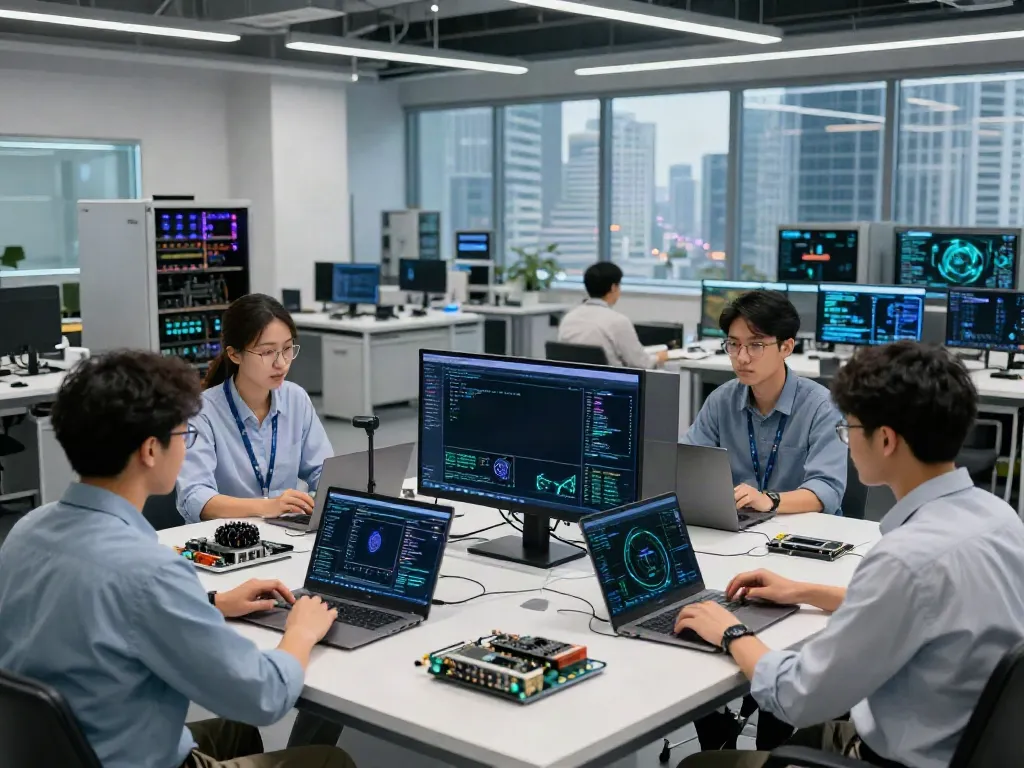
Understanding AI Infrastructure
In today's rapidly evolving technological landscape, AI infrastructure has emerged as a critical foundation for deploying and managing artificial intelligence applications. It encompasses both the hardware and software that enable the development, training, and execution of AI models. As businesses increasingly leverage AI to optimize processes and drive innovation, understanding the components and dynamics of AI infrastructure becomes essential for success.
What is AI Infrastructure?
AI infrastructure is the backbone that supports the creation, deployment, and continual refinement of AI technologies. It consists of a combination of hardware resources such as servers, GPUs, and networking equipment, along with software frameworks and tools designed specifically for machine learning (ML) and deep learning (DL) applications. This robust infrastructure allows organizations to seamlessly process vast datasets and execute complex algorithms with efficiency.
Key Components of AI Infrastructure
The architecture of AI infrastructure includes several key components:
- Hardware: Powerful GPUs and TPUs that are crucial for accelerating the training and inference phases of AI models.
- Storage Solutions: High-capacity storage systems that can handle the immense data requirements of AI applications.
- Networking and Connectivity: Infrastructure that ensures efficient data transfer between various components, reducing latency and improving performance.
- AI Development Frameworks: Software libraries and tools like TensorFlow, PyTorch, and Keras that facilitate model development and experimentation.
Importance of Electricity in AI Operations
Electricity plays a vital role in powering AI infrastructure, particularly as AI models grow in complexity and size. Reliable and efficient power sources are required to ensure optimal performance of GPU clusters that run AI inference workloads. Any disruption in power can lead to latency issues, increased downtime, and inefficiencies that hinder overall productivity.
How AI Infrastructure Powers the Token Economy
The integration of AI infrastructure with the token economy creates a symbiotic relationship where power supply directly affects AI workloads and their corresponding token generation capabilities. This section explores how electricity and AI tokens interact to create value in this evolving digital framework.
Linking Power Supply with AI Workloads
AI workloads are fundamentally reliant on a steady and robust power supply. This relationship is critical in scenarios where businesses need to process large amounts of data to train AI models. By aligning power supply with these workloads, organizations can achieve greater efficiency and optimize resource allocation.
The Role of AI Tokens in Performance Measurement
AI tokens are units of measurement used to quantify the processing and computational work performed by AI models. When AI tasks are executed, the input data is broken down into tokens, processed by GPUs, and then transformed into output tokens. These tokens can be utilized to assess the performance and efficiency of AI operations, providing valuable insights into resource utilization.
Benefits of AI Infrastructure Participation
Participating in AI infrastructure offers several benefits, including:
- Scalability: As AI demands grow, infrastructure can be adjusted to accommodate increased workloads.
- Cost Efficiency: Smart resource allocation minimizes energy costs and maximizes operational efficiency.
- Access to Cutting-Edge Technologies: Engaging with AI infrastructure providers ensures that businesses leverage the latest AI tools and technologies.
Choosing the Right AI Infrastructure Power Plans
Selecting an appropriate power plan is crucial for organizations looking to optimize their AI infrastructure investments. Understanding the various options available can lead to significant savings and improved performance.
Types of Power Plans Available
Different power plans may cater to various needs, including:
- Core Power Access: Basic access suitable for entry-level AI tasks.
- Enhanced Power Access: Provides additional resources for mid-level workloads.
- Advanced Power Access: Tailored for high-demand AI applications requiring substantial computational resources.
- Enterprise Power Systems: Designed for large-scale operations, providing high-capacity support.
Calculating Cost-Effectiveness of Each Plan
Evaluating the cost-effectiveness of power plans involves analyzing several factors, including the expected AI workload, power consumption, and potential returns generated from AI tokens. Cost analyses can reveal which plan will provide the best return on investment.
How to Activate and Manage Your Power Plan
Once the right power plan has been selected, activating it typically involves a straightforward process. Most providers offer an online portal where users can activate their plans and monitor performance metrics, making it easy to manage resources effectively.
Challenges Facing AI Infrastructure Today
While the potential of AI infrastructure is vast, several challenges must be addressed to fully harness its capabilities. Recognizing these hurdles can help organizations devise strategies to overcome them.
Common Misconceptions About AI Infrastructure
One prevalent misconception is that AI infrastructure is solely about hardware. In reality, software and human expertise are just as crucial for developing effective AI applications. Furthermore, some stakeholders may underestimate the importance of reliable electricity in enabling smooth operations.
Addressing Scalability Issues
As AI workloads grow, scalability becomes a concern. Companies must invest in adaptable infrastructure that can efficiently respond to increasing demands. This requires careful planning and an understanding of the projected growth trajectories of their AI applications.
Technological Advancements and Their Impacts
The landscape of AI infrastructure is constantly evolving, with new technologies emerging at a rapid pace. Keeping up with these changes necessitates continuous learning and adaptation from organizations, which can be challenging amidst other operational demands.
The Future of AI Infrastructure in 2026 and Beyond
As the AI landscape continues to evolve, the future of AI infrastructure looks promising. Emerging trends suggest significant advancements that will shape how businesses approach AI deployment and management.
Emerging Trends in AI Infrastructure
Several trends are expected to influence AI infrastructure in the coming years:
- Decentralization: Advances in decentralized computing will allow more distributed AI applications, increasing resilience and flexibility.
- Sustainability: Increased focus on using renewable energy sources to power AI infrastructure will drive greener practices across the industry.
- Integration of AI and IoT: The melding of AI with Internet of Things (IoT) technologies will create smarter and more responsive infrastructure systems.
Predictions for AI Token Economy Growth
As AI technology matures, the token economy is expected to expand significantly. Increased adoption of token-based models for measuring performance will enhance transparency and drive participation in AI infrastructure.
Preparing for Future Challenges in AI Operations
Organizations must remain proactive in addressing potential future challenges in AI infrastructure, including issues related to data privacy, security, and regulatory compliance. By preparing for these challenges, businesses can position themselves for sustained success in the AI economy.
What is AI infrastructure?
AI infrastructure is a comprehensive framework that supports the development, deployment, and management of AI solutions across various industries.
What are the top 5 AI infrastructure companies?
Some of the leading companies in AI infrastructure include NVIDIA, Google Cloud, IBM, Microsoft Azure, and AWS, each offering specialized services and solutions to enhance AI capabilities.
How does electricity support AI token services?
Electricity powers the computing resources required for AI models to process requests and generate responses, with effective energy management being crucial for maintaining operational efficiency.
What is an AI infrastructure power plan?
An AI infrastructure power plan is a subscription-based model that allows individuals or organizations to contribute to the electricity and computational resources needed for AI workloads, potentially receiving rewards based on their contributions.
Who can participate in AI infrastructure?
Participation in AI infrastructure is generally open to any individual or organization interested in supporting AI workloads, provided they meet the requisite eligibility criteria and regulations established by the infrastructure provider.