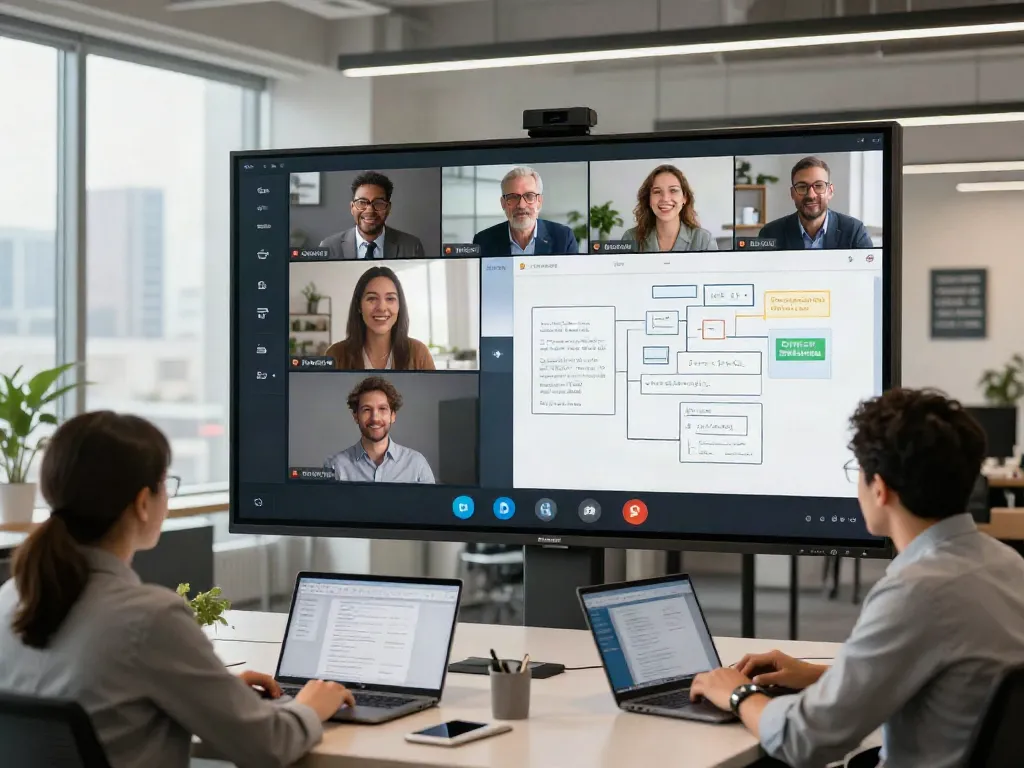
The Importance of Deepfake Protection in Virtual Conferencing
As technology continues to evolve, so too do the methods employed by individuals seeking to exploit it. One of the most pressing concerns in today's digital landscape is the proliferation of deepfake technology, which poses significant risks in the realm of virtual conferencing. With the rise of AI-generated videos and audio, the integrity of online meetings is under threat, leading organizations to search for robust solutions. As we delve into the nuances of Deepfake protected Conferencing, understanding the implications of these advancements is essential for ensuring secure and trustworthy digital communication.
Understanding Deepfakes and Their Impact
Deepfakes are synthetic media in which a person’s likeness is convincingly replaced with someone else’s. This technology leverages deep learning, particularly generative adversarial networks (GANs), to create hyper-realistic videos and sounds. While deepfakes can serve legitimate purposes in entertainment and education, their misuse in malicious contexts can lead to severe consequences, including reputational damage, financial loss, and breaches of privacy.
The Risks Associated with Video Conferencing
The rapid transition to remote work has significantly increased the dependency on video conferencing platforms. However, this also opens the door to deepfake attacks that can undermine trust and security. In instances where a malicious actor impersonates a senior executive during a virtual meeting, they could authorize unauthorized transactions or disclose sensitive information. The gravity of these risks demands that organizations take proactive measures to safeguard their virtual interactions.
Legal and Ethical Considerations in Deepfake Usage
With the rise of deepfakes, various legislative bodies have been compelled to consider legal and ethical guidelines surrounding their use. In 2024, several states in the U.S. introduced legislation aimed at combatting the misuse of deepfake technology, particularly in political communication and identity theft. Organizations must stay abreast of these laws to ensure compliance and avoid the legal ramifications of deepfake-related incidents.
Best Practices for Securing Virtual Meetings
To effectively mitigate the risks associated with deepfake technology, organizations must adopt a comprehensive approach to secure their virtual meetings. Employing best practices can greatly enhance the resilience of video conferencing systems against potential threats.
Implementing Strong Authentication Measures
One of the most effective methods to secure video conferencing is to implement strong authentication measures. Multi-factor authentication (MFA) adds an extra layer of security by requiring users to provide multiple forms of verification before accessing a meeting. Additionally, using unique meeting IDs and passwords can help prevent unauthorized access.
Utilizing Advanced Deepfake Detection Technologies
Investing in advanced deepfake detection technologies can provide organizations with a necessary defense against synthetic media. Machine learning algorithms specifically designed to identify deepfake content can be integrated into video conferencing tools, alerting users to any suspicious activity during meetings. This proactive approach can significantly enhance the security of virtual communications.
Training Employees on Security Protocols
Human error remains one of the leading causes of security breaches. Therefore, training employees on the risks associated with deepfakes and the best practices for recognizing and reporting suspicious content is crucial. Regular workshops and training sessions can help build a culture of security awareness within the organization.
Real-World Case Studies Demonstrating Deepfake Impacts
Understanding the real-world implications of deepfake technology can provide organizations with valuable insights into the potential risks they face during virtual conferencing.
Examples of Deepfake Incidents in Corporations
Several high-profile cases have underscored the risks associated with deepfakes in corporate settings. For instance, a deepfake video of a CEO was used to authorize a fraudulent transfer of funds, leading to substantial financial losses for the company. Such incidents reveal the vulnerabilities that organizations face and highlight the importance of establishing robust protective measures.
Lessons Learned from High-Profile Cases
In analyzing these incidents, companies have learned critical lessons regarding the need for vigilance and preparedness. Many organizations have since employed stronger authentication processes and invested in deepfake detection solutions, emphasizing the need for a proactive rather than reactive approach to cybersecurity.
Mitigation Strategies Used by Affected Organizations
Organizations impacted by deepfake incidents have adopted various strategies to mitigate future risks. These include enhancing their cybersecurity infrastructures, conducting regular security audits, and maintaining open lines of communication with employees regarding the potential threats posed by deepfakes. Such measures are essential in fostering a resilient organizational culture against evolving threats.
Step-by-Step Guide to Establishing Deepfake Protection
Implementing effective deepfake protection requires a structured approach to security and readiness. The following steps outline a comprehensive strategy for organizations to safeguard their virtual meetings.
Essential Tools and Software for Detection
Investing in essential tools and software for deepfake detection can significantly bolster an organization's defenses. Solutions that leverage AI and machine learning techniques can analyze video and audio feeds for inconsistencies, offering real-time alerts on potential threats.
Creating a Response Plan for Deepfake Threats
Having a well-defined response plan is critical for organizations to address deepfake threats promptly. This plan should outline procedures for verifying the authenticity of content, engaging cybersecurity experts, and communicating with stakeholders about incidents as they arise.
Continuous Monitoring and Improvement Strategies
To remain ahead of evolving threats, organizations must implement continuous monitoring strategies. This includes regularly updating detection technologies, conducting drills to test response plans, and staying informed about the latest deepfake developments. Continuous improvement ensures that organizations can adapt to new challenges as they emerge.
Future Trends in Deepfake Technology and Conferencing
The landscape of deepfake technology is continually evolving, and organizations must stay vigilant to adapt to these changes. Awareness of future trends can equip businesses with the necessary foresight to guard against emerging threats in virtual conferencing.
Emerging Technologies in Deepfake Detection
As deepfake technology advances, so do detection methods. Future detection technologies are likely to become more sophisticated, employing enhanced algorithms capable of identifying even the most subtle alterations in video and audio content. Staying at the forefront of these advancements will be crucial for organizations aiming to protect their virtual environments.
Potential Legal Developments Impacting Virtual Meetings
As awareness of the risks posed by deepfakes grows, further legal developments are anticipated. New regulations may emerge, addressing deepfake accountability and privacy concerns in virtual communications. Organizations should prepare to adapt their practices to comply with these evolving legal frameworks.
Preparing for the Future of Remote Collaboration
Organizations must proactively prepare for the future of remote collaboration by considering potential threats and investing in the necessary tools and training. By fostering a culture of awareness and resilience, businesses can ensure that they are well-equipped to handle the challenges that lie ahead.
What are the risks of deepfakes in video conferencing?
Deepfakes pose numerous risks in video conferencing, including identity theft, unauthorized transactions, and erosion of trust within organizations. As these synthetic media become more convincing, the potential for exploitation increases, necessitating robust security measures.
How can organizations protect against deepfake attacks?
Organizations can protect against deepfake attacks by implementing strong authentication measures, investing in detection technologies, and training employees on recognizing deepfake threats. A multi-layered strategy is essential for minimizing risks in virtual environments.
What tools are available for deepfake detection?
Several tools and technologies are available for deepfake detection, including AI-driven platforms that analyze video and audio for anomalies. Continuous investment in these tools can enhance an organization’s ability to identify and respond to deepfake threats.
What legal measures are being implemented against deepfakes?
Legal measures are increasingly being enacted to address the misuse of deepfake technology. These include regulations that require disclaimers on synthetic media and laws targeting identity theft and defamation, aimed at holding perpetrators accountable for deepfake-related crimes.
How does deepfake technology affect virtual communications?
Deepfake technology significantly affects virtual communications by challenging the authenticity and integrity of the content shared during meetings. As the technology becomes more sophisticated, the potential for exploitation grows, highlighting the need for comprehensive security measures.