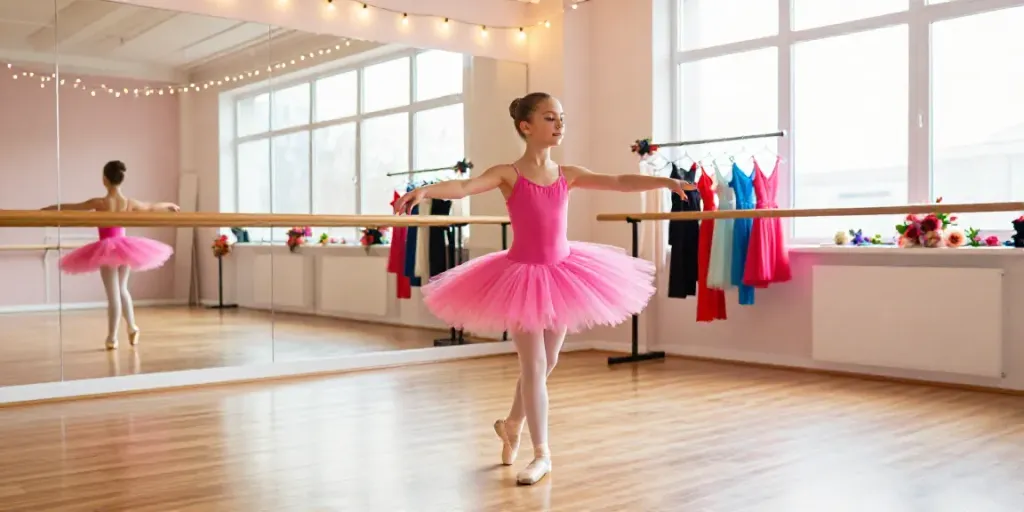
Understanding the Tutu Store Landscape
In the world of dance, the tutu has become a symbol of grace and elegance, especially in classical ballet. A tutu store specializes in providing a wide range of tutus, dancewear, and accessories for dancers of all ages and skill levels. From children’s first ballet classes to professional performances, tutu stores cater to the diverse needs of their customers. When exploring options, tutu store offers a variety of choices that can enhance any dancer's wardrobe.
What Is a Tutu Store?
A tutu store is a retail outlet that primarily focuses on selling tutus and other related dance apparel. These stores provide everything from traditional ballet tutus to modern variations, dance shoes, leotards, and accessories necessary for aspiring and professional dancers alike. In addition to physical stores, many tutu retailers have also established a robust online presence, enabling customers to shop conveniently from home.
Key Differences Between Tutu Stores and Dance Boutiques
While both tutu stores and dance boutiques share a common goal of serving the dance community, there are key differences between them. Tutu stores typically specialize specifically in tutus and related products, often carrying a wider selection of tutu styles, colors, and sizes. In contrast, dance boutiques may offer a more extensive range of dance-related apparel and accessories, such as costumes for other dance types like jazz, tap, and contemporary dance.
Why Shop at a Tutu Store? Benefits Explained
Shopping at a tutu store offers several unique benefits:
- Specialization: These stores focus exclusively on tutus and dancewear, ensuring a more comprehensive selection.
- Expert Staff: Staff members are often trained in dance, providing knowledgeable assistance to help customers find the right fit and style.
- Quality Products: Many tutu stores prioritize high-quality materials and craftsmanship, ensuring durability for frequent use.
- Variety: Customers can explore a wide range of options, from classic to trendy styles.
Popular Tutu Styles
Classic vs. Contemporary Tutus
Tutus come in various styles, with classic and contemporary designs standing out. Classic tutus are typically characterized by their structured layers that create a bell-like shape, ideal for traditional ballet. On the other hand, contemporary tutus may feature softer fabrics, asymmetrical cuts, and unique embellishments, making them perfect for modern dance performances.
Choosing the Right Size and Fit
When selecting a tutu, getting the right size and fit is crucial. Dancers should consider the following factors:
- Measurements: Tailor the tutu to the dancer's waist and length measurements.
- Style: Different styles may fit differently; for instance, a romantic tutu is typically longer than a classical one.
- Adjustability: Look for tutus with adjustable waistbands to accommodate growth or fluctuations in size.
Materials Used in Tutu Making
Tutus are crafted from various materials, each affecting the overall look and feel of the garment. Common materials include:
- Tulle: A lightweight, sheer fabric that is a staple for creating the classic tutu shape.
- Organza: Offers a stiffer texture, often used for contemporary designs.
- Satin: Known for its sheen, satin can add elegance to both tutus and accompanying dancewear.
- Mesh: Provides breathability and comfort, particularly for performance clothing.
Shopping Experience: What to Expect
Customer Service in Tutu Stores
Customer service is paramount in tutu stores, as staff members typically possess in-depth knowledge of dancewear. Shoppers can expect assistance in selecting the right styles, sizes, and materials. Well-trained staff can guide customers through the nuances of dancewear, ensuring a satisfying shopping experience.
Custom Options and Personalized Services
Many tutu stores offer custom tutu options, allowing dancers to create one-of-a-kind pieces that reflect their personal style. These bespoke services may include:
- Design Choices: Choose colors, fabrics, and embellishments to create a unique look.
- Fit Adjustments: Tailoring services to ensure a perfect fit.
- Matching Accessories: Coordinating items such as shoes and headpieces for a complete ensemble.
Return Policies and Customer Satisfaction
Understanding return policies is crucial when shopping for dancewear, especially tutus that may require specific fitting adjustments. Tutu stores usually have policies in place that allow for returns or exchanges as long as the items remain in new condition. These policies foster customer satisfaction, giving shoppers peace of mind as they invest in their dance wardrobe.
Tips for Choosing the Best Tutu Store
Location and Accessibility
When selecting a tutu store, consider its location and accessibility. Physical stores should ideally be reachable through public transportation or within a reasonable driving distance. For those unable to visit a store in person, the availability of an online platform can be a significant factor in making a decision.
Online vs. In-Store Shopping: Pros and Cons
Both shopping methods come with their own set of advantages and disadvantages:
- In-Store: Immediate access to products, personalized assistance, and fitting opportunities.
- Online: Greater selection, convenience, and often better pricing due to reduced overhead costs.
Reviews and Recommendations: What to Look For
When considering a tutu store, looking at customer reviews can provide valuable insights. Considerations should include:
- Product Quality: Feedback on the durability and design of tutus.
- Customer Service: Experiences regarding staff knowledge and support.
- Return Policies: Customer satisfaction with the return process.
Future Trends in Dancewear Retail
Emerging Styles and Innovations in Tutus
As the dance landscape evolves, so do the styles and designs of tutus. Emerging trends include:
- Eco-friendly Materials: The shift towards sustainable fabrics that minimize environmental impact.
- Technology Integration: Utilizing design software for custom creations, including 3D modeling.
- Fashion Collaborations: Partnerships between tutu designers and fashion brands to create unique dancewear lines.
Eco-Friendly Materials in Tutu Manufacturing
With rising awareness of environmental issues, many tutu manufacturers are adopting eco-friendly practices. These include using organic cotton, recycled materials, and low-impact dyes that are kinder to the planet. Such initiatives reflect a broader trend in the fashion industry towards sustainability.
The Digital Transformation of Tutu Shopping
The digital landscape continues to reshape how tutu stores operate. Enhanced online shopping experiences, virtual fittings, and augmented reality applications are just a few innovations that are making it easier for customers to find their perfect tutu, regardless of location.