Understanding Smart Locks: What You Need to Know
In an era where home security has become paramount, the demand for advanced locking solutions, such as قفل هوشمند, is on the rise. These locks not only provide enhanced protection but also integrate seamlessly with modern technology, offering users a level of convenience and control that traditional locks simply cannot match. As we delve deeper into the world of smart locks, we will explore what they are, how they function, and why they represent the future of home security.
What is a Smart Lock?
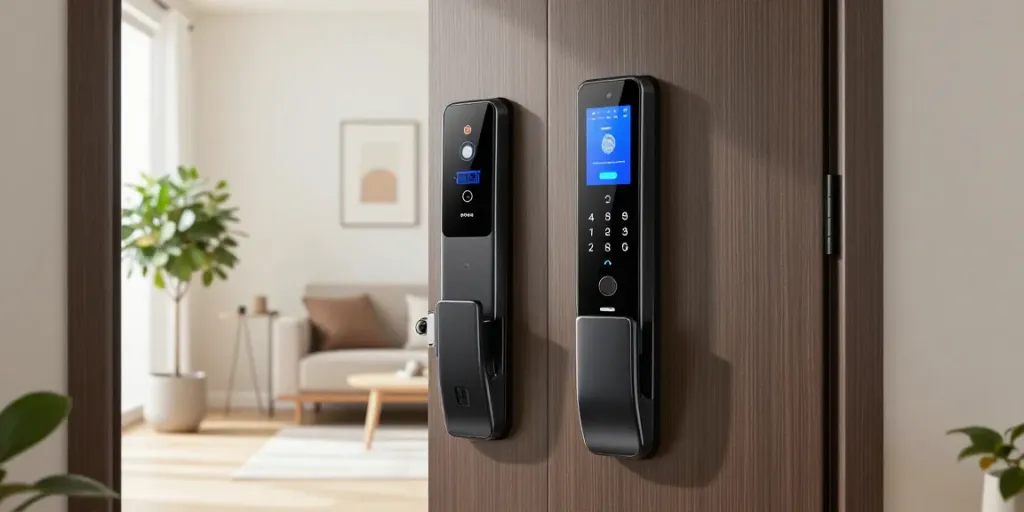
A smart lock is an electronic locking mechanism that can be controlled remotely via a smartphone app or other connected devices. Unlike traditional locks that rely solely on mechanical keys, smart locks often incorporate various forms of access methods, including key codes, biometric fingerprints, and mobile applications. This means homeowners can lock and unlock their doors with ease, whether they are at home or miles away.
How Do Smart Locks Work?
Smart locks use a combination of hardware and software to create a secure locking system. Typically, they consist of a lock body that is installed into the door and an external keypad or a smart device connection. When a user inputs a code or uses a mobile app, a signal is sent to the lock, which responds by either unlocking or locking the door. Some advanced models even come equipped with features like automatic locking after a specified time or alerts that notify users when the door is unlocked or locked.
Advantages Over Traditional Locks
- Enhanced Security: Smart locks offer advanced security features, making them harder to bypass than traditional locks.
- Convenience: You can unlock your door without fumbling for keys, which is especially useful when your hands are full.
- Remote Access: Control and monitor your lock from anywhere using a smartphone, allowing for secure access for guests without your presence.
- Data Tracking: Many smart locks provide logs of who entered and exited, giving homeowners insights into security breaches.
Types of Smart Locks Available in 2026
Keyless Entry Options Explained
Keyless entry smart locks have gained popularity due to their ease of use and convenience. These locks typically allow entry through codes, mobile applications, or biometrics, eliminating the need for physical keys and enhancing convenience. Smart locks are equipped with various features such as temporary codes for guests, making them ideal for rentals or shared spaces.
Comparing Biometric vs. Keypad Locks
When selecting a smart lock, understanding the differences between biometric locks and keypad locks is crucial. Biometric locks use unique physical characteristics, such as fingerprints or facial recognition, to grant access. In contrast, keypad locks require users to enter a code to unlock the door. While biometric locks offer higher security, keypad locks are often seen as more user-friendly, particularly for families.
Smart Locks with Wi-Fi Connectivity
Wi-Fi-enabled smart locks allow homeowners to control their locks from anywhere with an internet connection. This feature is beneficial for those who travel frequently or want to provide access to guests without being present. Such locks can integrate with home automation systems, enhancing overall home security.
Choosing the Right Smart Lock for Your Needs
Assessing Your Security Requirements
Before making a decision, it’s crucial to evaluate your specific security needs. Consider factors such as the layout of your home, who will be using the lock, and how often you anticipate needing access. For high-security areas, consider smart locks that incorporate multiple authentication methods for enhanced security.
Evaluating Compatibility with Door Types
Ensure that the smart lock you choose is compatible with your door type. Smart locks come in various designs, including deadbolts and latch locks, so it’s important to select one that fits your existing door hardware without requiring significant modifications.
Budget Considerations for Smart Lock Purchases
Smart locks are available at various price points, so it’s essential to set a budget before shopping. More advanced models with features like Wi-Fi connectivity or biometric authentication tend to be pricier. However, consider the long-term benefits and savings associated with enhanced security when making your decision.
Installation and Maintenance of Smart Locks
DIY Installation vs. Professional Help
Many smart locks offer straightforward DIY installation, making them accessible to homeowners. However, for those who are not confident in their abilities, hiring a professional can ensure a secure and accurate installation.
Routine Maintenance Tips for Longevity
Maintaining your smart lock is crucial for optimal performance. Regularly check the batteries, clear any dust or debris from the keypad or sensor, and update the firmware to enhance security features. Keeping your smart lock in good condition will prolong its lifespan and reliability.
Software Updates and Enhancements
Smart locks often receive software updates that enhance functionality and security. Regularly check for updates through the manufacturer's app or website to ensure your lock has the latest features and security patches.
The Future of Smart Locks: Trends and Innovations
Emerging Technologies in Home Security
As technology continues to evolve, smart locks are likely to incorporate even more sophisticated features such as artificial intelligence and machine learning. These advancements can create locks that learn user patterns and adjust security settings accordingly, providing even greater protection.
Smart Lock Integration with Home Automation Systems
More homeowners are adopting smart home technologies, leading to increased integration between smart locks and home automation systems. This integration allows for coordinated security measures, such as locking doors when the homeowner leaves and syncing with security cameras for added peace of mind.
Predictions for 2027 and Beyond in Smart Security
Looking ahead, we anticipate that smart locks will continue to become more intuitive and user-friendly. The integration of AI and IoT will likely lead to enhanced functionality, making them a staple in modern home security systems.
What are the benefits of using a smart lock?
The primary benefits of smart locks include enhanced security, ease of access, and the ability to monitor who enters and leaves your home. They can dramatically improve convenience for homeowners while ensuring robust security measures.
How does a smart lock enhance home security?
Smart locks typically feature advanced technologies such as encryption, real-time alerts, and remote access, significantly reducing the risk of unauthorized access and theft.
What features should I look for in a smart lock?
Look for features such as multiple access options (keypad, biometric), mobile app control, compatibility with smart home systems, and robust customer support to ensure you are making a worthwhile investment.